

Why Implementation Is Only the Beginning
There's a common misconception in the restaurant and retail world that the hard part is choosing the platform. Square or Toast? Shopify or Squarespace? Once you've made that call and someone sets it up, the thinking goes, you're done.
In reality, the first 90 days after implementation are when the real work begins. Your menu changes. Your team has questions. A new online ordering workflow breaks something you didn't expect. You want to run a holiday promotion but can't figure out how to set it up in the loyalty platform. Your second location opens and needs its own configuration.
These aren't failures of the technology. They're the natural reality of running a business on software that's supposed to adapt to your operations — not the other way around.
The partners who understand this build their entire service model around ongoing support, not just the initial setup. They budget time for the inevitable questions, the seasonal adjustments, the gradual optimization that turns a "good enough" system into one that actually drives revenue.
At Boldly Forge, this is foundational to how we work. We implement platforms like Square, Toast, Shopify, and Squarespace for restaurant and retail businesses — but the implementation is the starting line, not the finish line. Our ongoing support exists because we've seen what happens when it doesn't.
The Real Cost of a "Set It and Forget It" Partner
When a technology partner exits after launch, the consequences rarely show up immediately. They accumulate. Slowly. Quietly. And by the time they're obvious, they've already cost you.
Here's what that typically looks like in practice.
Your menu and your system drift apart. You've added new items, changed prices, introduced seasonal specials — but your POS, your online ordering platform, and your website all show slightly different things. Guests see one price online, another on the menu board, and a third on their receipt. Your staff compensates with workarounds that breed inconsistency and errors.
Your data becomes unreliable. Without someone periodically auditing your system configuration, reporting data gets muddied. Items are categorized inconsistently. Modifiers aren't mapped correctly. When you pull a sales report, you're not sure if the numbers reflect reality or the shortcuts your team took to keep the line moving.
Marketing automation stalls. The email campaigns that were set up at launch are still running the same sequences six months later. No one has updated the loyalty triggers, adjusted the messaging for a new season, or reviewed the open rates. What was once a revenue driver has become background noise your guests have learned to ignore.
Your team stops trusting the technology. When things don't work as expected and there's no one to call, your staff develops their own systems. Paper tickets reappear. Someone starts keeping a separate spreadsheet for inventory. The technology you paid to implement is now running alongside — not replacing — the manual processes it was supposed to eliminate.
None of these are dramatic, single-point failures. They're erosion. And they're almost entirely preventable with the right ongoing relationship.
What a Long-Term Technology Partner Actually Does
A good technology partner after launch isn't someone you call when something breaks. They're someone who's paying attention so things don't break in the first place.
Here's what that relationship looks like across the key areas of a restaurant or retail technology stack.
POS Management and Optimization
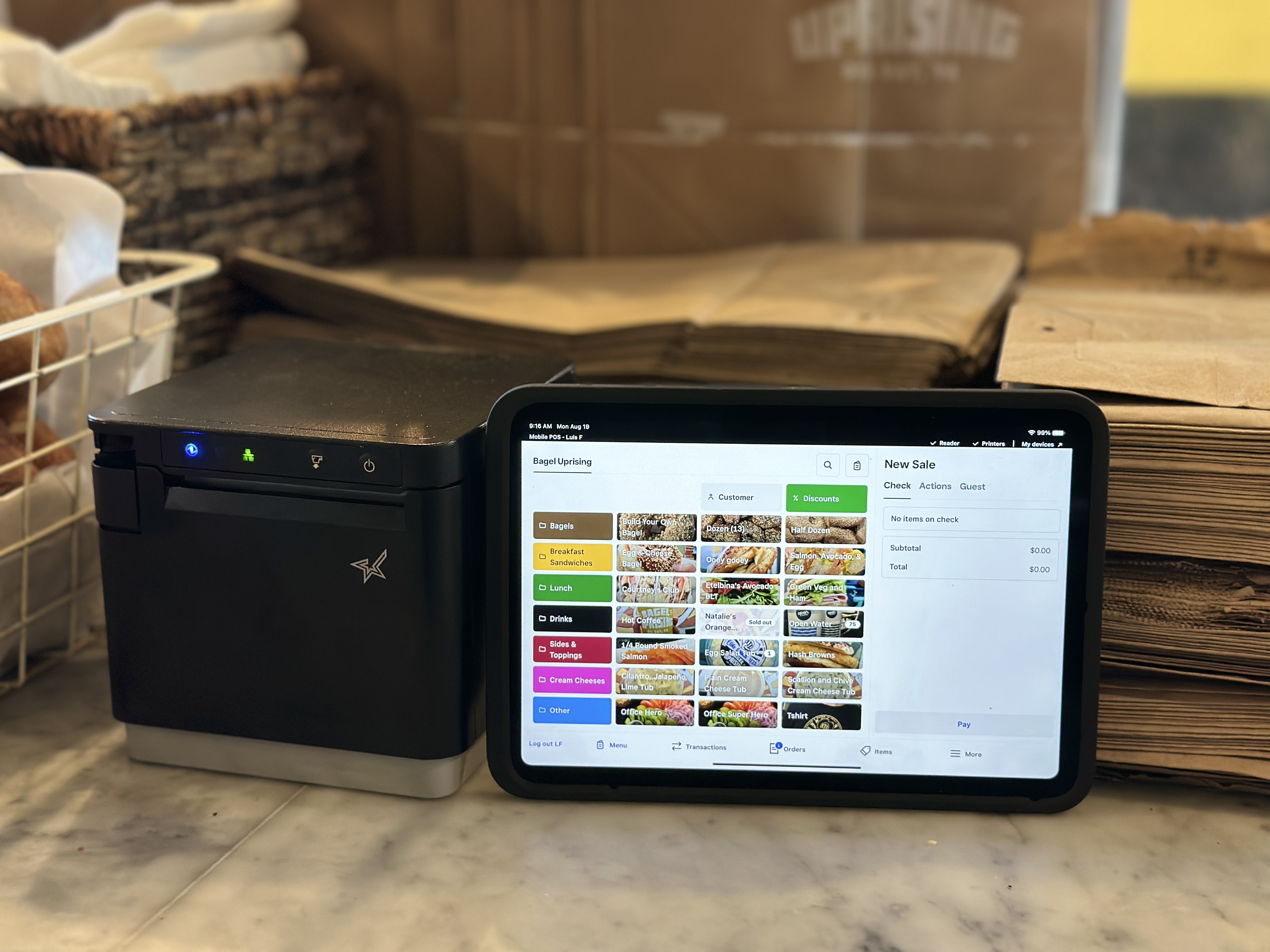
Your point-of-sale system is the operational core of your business. After the initial POS implementation, a long-term partner continues to refine how that system works for your specific operation. That means adjusting menu structures as your offerings evolve, configuring new hardware when you add a station or a location, training new staff on workflows that have already been established, and reviewing reporting data to make sure what you're seeing is accurate.
It also means proactively identifying opportunities you might not see from inside the daily grind. Maybe your modifier structure is adding unnecessary steps to the ordering process. Maybe a category reorganization would surface better data in your sales reports. Maybe your kitchen display routing needs an update because your prep workflow changed. A partner who knows your system — and your business — catches these things.
Website and Online Ordering
Your website and online ordering platform aren't static marketing materials. They're operational tools that need to reflect how your business actually operates today, not how it operated when the site launched.
A long-term partner handles the ongoing updates that keep your digital presence aligned with your physical operations. Menu changes, hours adjustments, new location pages, seasonal promotions, photo updates, SEO improvements — the list never really ends.
For businesses on platforms like Square Online or Squarespace, this is especially important because the website isn't a standalone asset. It's directly connected to your POS, your inventory, and your ordering flow. A change in one place should ripple through the others. A partner who understands these connections makes sure that happens cleanly.
We handle website and online ordering as an integrated piece of the technology stack, not a one-time design project. The businesses that get the most from their digital presence are the ones that treat it as a living system.
Marketing Automation and Loyalty
Setting up marketing automation and loyalty programs is a significant lift. Configuring email sequences, building customer segments, designing loyalty tiers, connecting everything to your POS data — it takes real effort to do well.
But the setup is only the foundation. The ongoing value comes from iteration. Which email sequences are driving repeat visits? Which loyalty rewards are actually being redeemed? Are your segments still relevant, or has your customer base shifted? Is the messaging still fresh, or has it gone stale?
A long-term partner reviews this data regularly and makes adjustments. They test new campaigns, retire underperforming ones, and evolve your marketing alongside your business. Platforms like Square Marketing and Klaviyo are powerful, but power without regular attention becomes wasted potential.
Local SEO and Reputation Management
For restaurants and retail businesses, local search visibility is directly tied to revenue. But local SEO isn't a one-time optimization. Google Business profiles need regular updates. Review responses need to be consistent and timely. Citations across directories need to stay accurate, especially when you change hours, add a location, or update your phone number.
A long-term partner keeps these things current. They monitor your local search performance, track how your reputation compares to competitors, and flag issues before they cost you visibility. For businesses using tools like Yext Listing Sync Pro, this means making sure your data stays clean and consistent across every platform where potential customers might find you.
System Optimization and Integration
As your business evolves, your technology needs evolve with it. System optimization isn't a phase — it's an ongoing process. You might need to connect a new tool to your existing stack. Your ordering volume might warrant a workflow change. You might be ready to add features you skipped during the initial implementation because they weren't a priority yet.
A partner who's been with you through the full lifecycle understands what's already in place, what's working, and where the friction is. They don't need to audit your system from scratch every time something changes. They already know the landscape. That context saves time, reduces mistakes, and leads to better decisions.
Questions to Ask Before You Sign
Evaluating a technology partner isn't just about their portfolio or their pricing. It's about how they think about the relationship after the project is "done."
Here are the questions that reveal the most about a potential partner's long-term approach.
About Their Process
"What does your engagement look like after the initial implementation is complete?"This is the single most important question you can ask. Listen for specifics — not vague promises about "being available." A good partner will describe a structured approach to post-launch support, whether that's a retainer model, scheduled check-ins, or a defined optimization roadmap.
"How do you handle changes to my menu, products, or operations after launch?"Every business changes. The question is whether your partner has a process for absorbing those changes efficiently or whether every update becomes a new project with a new scope and a new invoice.
"Can you walk me through how you've supported another client over 6 to 12 months after implementation?"Case studies and testimonials tell you how the project went. This question tells you what happened after. Look for partners who can describe ongoing work — not just the initial engagement. You can see how we've worked with businesses over time in our case studies.
About Their Technical Depth
"How do you approach platform configuration versus just basic setup?"There's a significant difference between installing a POS and configuring it for your specific operation. A partner who understands this difference will talk about things like modifier logic, reporting categories, kitchen routing, permissions, and hardware placement — not just "we'll get you up and running."
"What platforms do you work with, and how do you decide what to recommend?"Partners who work across multiple platforms — like Square, Toast, Shopify, and others — can offer more objective recommendations because they're not locked into a single ecosystem. Ask what factors they consider when recommending one platform over another, and whether they've ever advised a client against a particular tool.
"How do you handle integrations between my POS, website, marketing tools, and other systems?"Modern restaurant and retail operations run on interconnected tools. Your partner should be able to articulate how they connect those tools — and what happens when one of those connections changes or breaks.
About Communication and Accountability
"Who is my point of contact after launch, and how quickly can I expect a response?"You want a named person, not a ticket queue. And you want a realistic response time commitment, not a generic SLA. The best partnerships feel like an extension of your team, not a vendor relationship.
"How do you track and prioritize ongoing requests?"A good partner has a system for managing ongoing work. Whether it's a shared project board, a monthly review cadence, or a dedicated support channel, you want to know that your requests won't fall into a void.
"How do you proactively identify issues or opportunities — do you just wait for me to call?"This question separates reactive support from genuine partnership. The best partners are monitoring your systems, reviewing your data, and surfacing recommendations before you even know there's something to address.
About Business Alignment
"Do you work specifically with businesses in my industry?"A restaurant has fundamentally different technology needs than a SaaS startup. A retail operation with an e-commerce component is different from a service business. Industry-specific expertise means faster implementation, fewer missteps, and a partner who understands the operational context of every recommendation they make.
At Boldly Forge, we work specifically with restaurants, retail businesses, and multi-location brands. That focus is intentional — it means every system we implement and every optimization we recommend is grounded in the real-world challenges these businesses face.
"How do you approach multi-location growth?"If you have any plans to expand, your partner should be able to describe how they support that growth technically. New locations aren't just copies of your first one — they often have different floor plans, different staffing models, different menu configurations, and different local marketing needs. A partner who's helped businesses scale understands the complexity involved.
"What does your pricing look like for ongoing support — is it project-based, hourly, or retainer?"This isn't just a budget question. The pricing model tells you how the partner values the relationship. Hourly billing can discourage you from reaching out when you should. Project-based pricing creates friction around scope. A retainer model, where you have dedicated time and attention each month, typically creates the most sustainable and productive partnership.
Red Flags That Signal a Short-Term Mindset
Not every technology partner is built for the long haul. Here are the patterns that suggest you'll be on your own sooner than you'd like.
They talk almost exclusively about the launch. If every conversation is about timelines, deliverables, and go-live dates — but there's no mention of what comes after — the partner is thinking about the project, not the relationship.
They don't ask about your future plans. A partner who doesn't ask where your business is headed in 12 to 24 months is building for today, not for tomorrow. Your technology should have room to grow.
Their pricing has no ongoing component. If the proposal is a single line item for implementation with no option for continued support, the partner expects to hand you the keys and move on.
They can't name specific clients they've worked with long-term. Ask for references from clients they've supported for a year or more. If they can't produce any, that tells you something.
They're generalists with no industry focus. A partner who builds websites for dentists, law firms, restaurants, and fitness studios isn't going to understand the specific operational challenges of your business. Technology choices in hospitality and retail are deeply tied to how the operation runs day to day.
They position themselves as "builders" rather than "partners." Building is a phase. Partnership is a commitment. The language a partner uses about themselves reveals how they see the relationship.
The Compounding Value of a True Partnership
When a technology partner stays with you over time, something interesting happens: the value of the relationship compounds.
In month one, they're learning your business. By month six, they understand your peak seasons, your staffing patterns, your customer behavior. By month twelve, they can anticipate what you'll need before you ask for it. They know which promotions worked last year and can refine them for this year. They know your team's comfort level with the technology and can suggest features that would have been overwhelming six months ago but are now within reach.
This compounding knowledge translates directly into better decisions and faster execution. A new partner would need weeks to understand what a long-term partner already knows from experience. Every time you switch partners, you reset that learning curve and lose accumulated context that can't be transferred in a handoff document.
The businesses we've worked with over multiple years through ongoing support engagements consistently see this dynamic play out. The recommendations get sharper. The turnaround gets faster. The technology becomes a genuine competitive advantage because it's being continuously tuned by someone who understands not just the platform, but the business.
A Framework for Evaluating Your Current Partner
If you're already working with a technology partner, it's worth periodically asking yourself whether the relationship is still serving your business well.
When was the last time they proactively recommended a change? If you're always the one initiating requests, your partner may be in maintenance mode rather than optimization mode.
Do they understand your business beyond the technology? A partner who can speak intelligently about your customer base, your competitive landscape, and your growth plans is far more valuable than one who only knows your system configuration.
How quickly do things get resolved? Not just emergencies — routine requests. If it takes two weeks to get a menu update pushed through, that's friction that adds up.
Are they keeping your systems current? Platforms release updates, add features, and deprecate old ones. A good partner is staying on top of these changes and applying the ones that matter to your business.
Can you imagine operating without them? This might sound dramatic, but it's a useful litmus test. If the answer is "we'd be fine," the partner may not be adding enough value. If the answer is "it would be a significant setback," you've found a relationship worth protecting.
How Boldly Forge Approaches Long-Term Partnerships
We built Boldly Forge around a simple premise: the right technology partner supports your systems long after implementation — helping your business operate and grow.
That philosophy shapes everything about how we work.
Our engagements start with implementation — whether it's a POS setup, a website and online ordering build, a marketing automation configuration, or all of the above. But we design every project with what comes next in mind. Menu structures are built for easy updating. Integrations are documented. Workflows are configured to be adjustable without rebuilding from scratch.
After launch, our ongoing support keeps those systems tuned. Regular check-ins, proactive optimization, and responsive support mean you're never left wondering who to call when something needs to change.
We also bring a system optimization lens to existing setups. If you're already on a platform but you know it's not performing the way it should, we'll audit what's in place and identify the gaps. Sometimes the platform is right but the configuration needs work. Sometimes a different tool would serve you better. We'll give you an honest assessment either way.
Our focus is exclusively on restaurants, retail businesses, and multi-location brands. That specialization means we're not guessing about what works in your industry. We've seen the patterns, made the mistakes, and built the frameworks that allow us to implement and support systems that fit the way these businesses actually operate.
You can see this approach in action across our case studies — from single-location restaurants to multi-market operations, each one reflects a partnership that extended well beyond the initial project.
Getting Started
Choosing the right technology partner isn't a decision you should rush. But it's also not one you should overthink. The signals are usually clear if you know what to look for.
Ask the questions outlined in this guide. Look for depth over breadth. Prioritize partners who talk about your operations as much as they talk about their platforms. And above all, choose someone who's genuinely interested in what happens after launch day — because that's when the real work begins.
If you're evaluating partners right now, or if you're working with one that's no longer meeting your needs, we'd welcome the conversation. We offer a complimentary consultation where we can discuss your current setup, your goals, and whether our approach is the right fit.
Start a project with Boldly Forge →